Waste Management Mineral Wool
Mineral wool belongs to the broader group of Man-Made Vitreous Fibres (MMVF) and is distinguished by its physical properties and chemical composition. This family includes several types of fibre, known as “mineral wool” (glass wool, rock wool), materials widely used for thermal and acoustic insulation.
Mineral wool is used in various forms, including boards, felt, pipe sections and loose-fill, and is used in a range of sectors:
- Civil and industrial construction: thermal and acoustic insulation for walls, floors and roofs, and fire protection;
- Industry: insulation of plant, machinery encapsulation, industrial silencers;
- Transport: thermal and acoustic insulation for railway carriages, ships, motor vehicles and noise barriers;
- Household appliances: to improve energy efficiency and safety.
Under Legislative Decree 152/2006, known as the “Consolidated Environmental Act”, the producer (i.e. the party that generates the waste in the course of its business activities) is responsible for the correct characterisation and disposal management of mineral wool.
The classification of man-made vitreous fibres, defined by a 1997 directive, is based on two key parameters:
- Note Q, which assesses the fibres’ biosolubility; - Note R, which considers the weighted average fibre size.
Depending on the values of these parameters, mineral wool is classified and managed under two separate EWC codes:
- EWC 17.06.03* hazardous special waste consisting of insulating materials containing or consisting of hazardous substances;
- EWC 17.06.04 non-hazardous special waste, insulating materials other than those classified under entries 17.06.01 and 17.06.03
The first facility in Europe
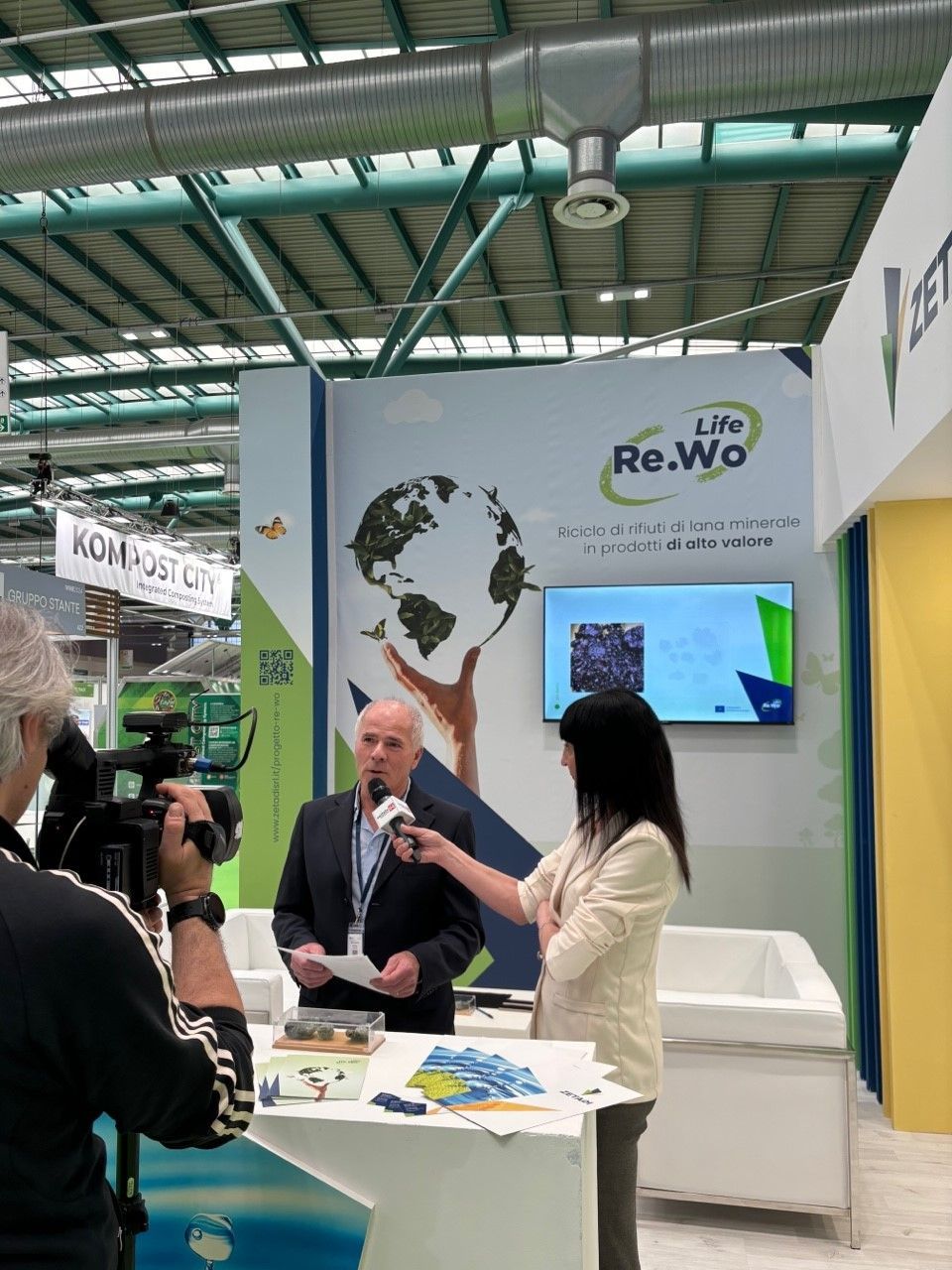
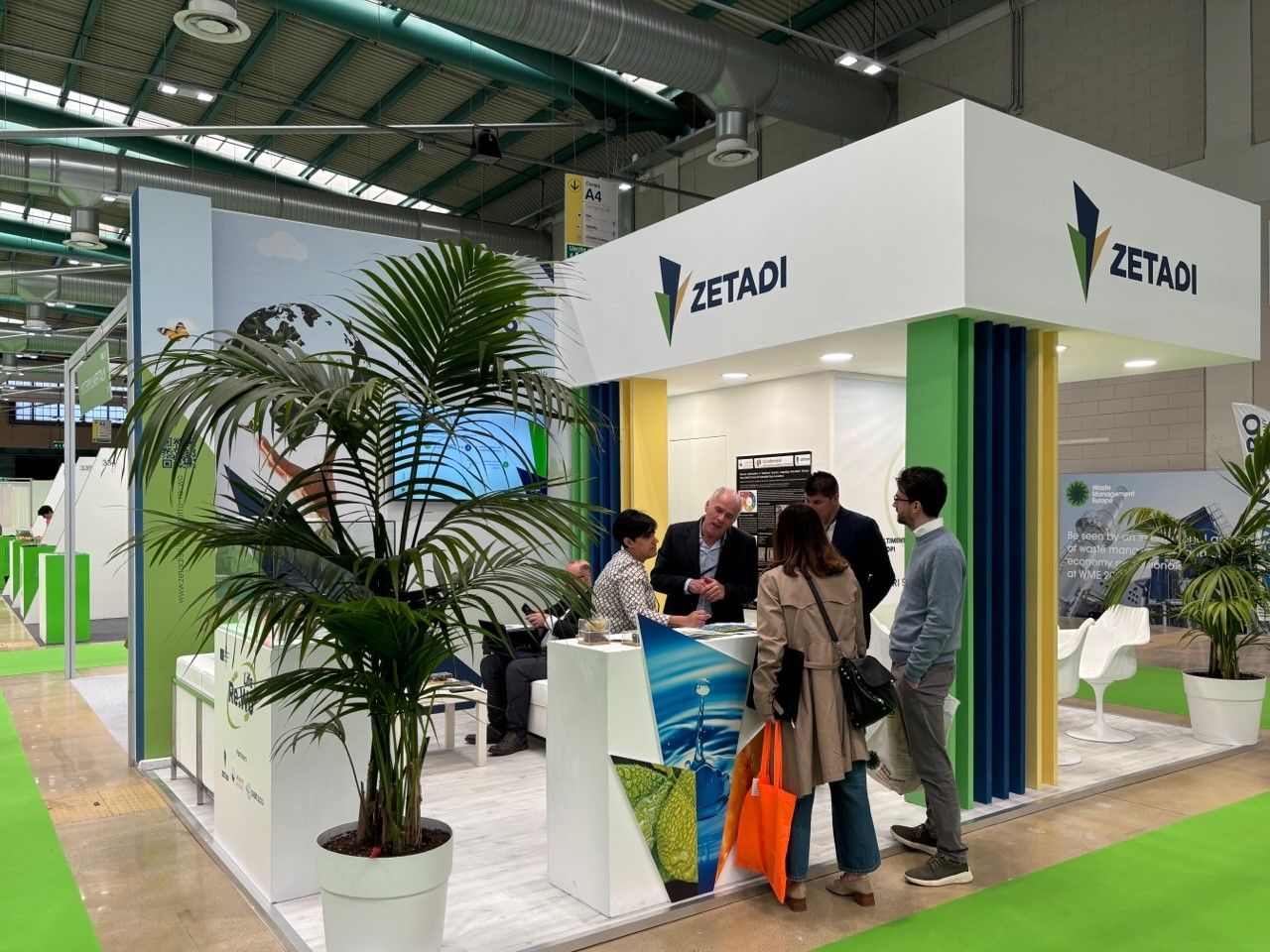
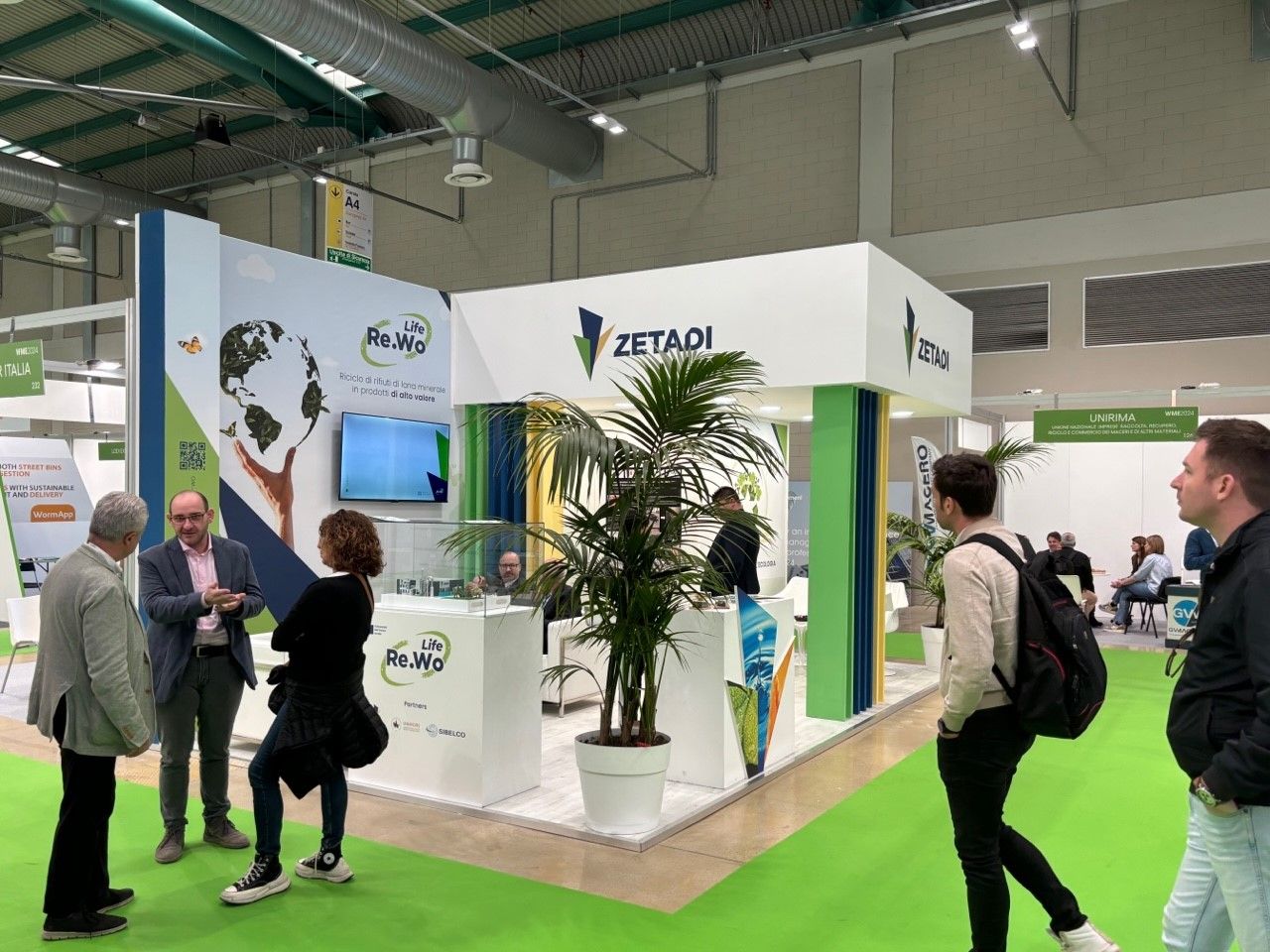
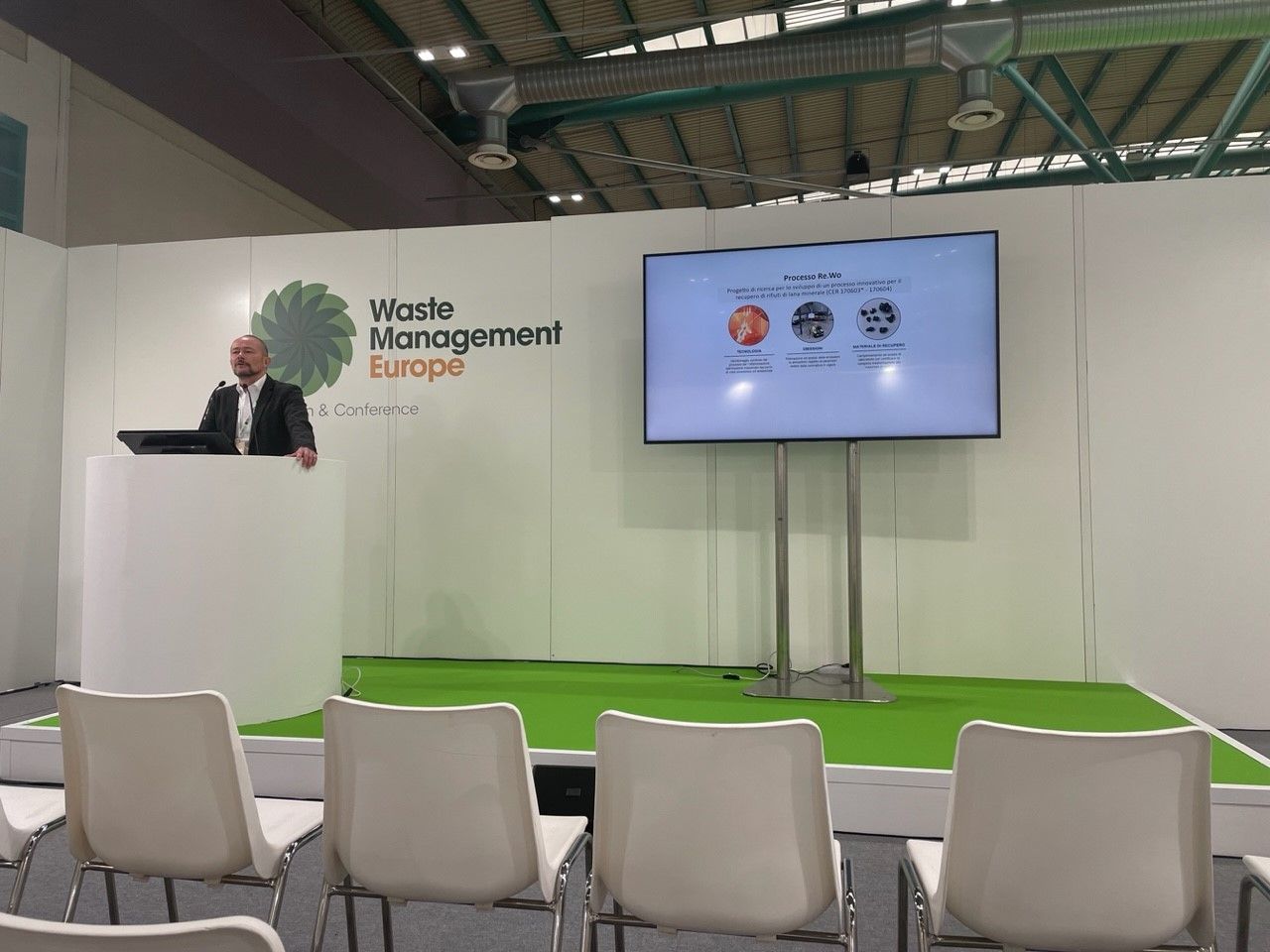
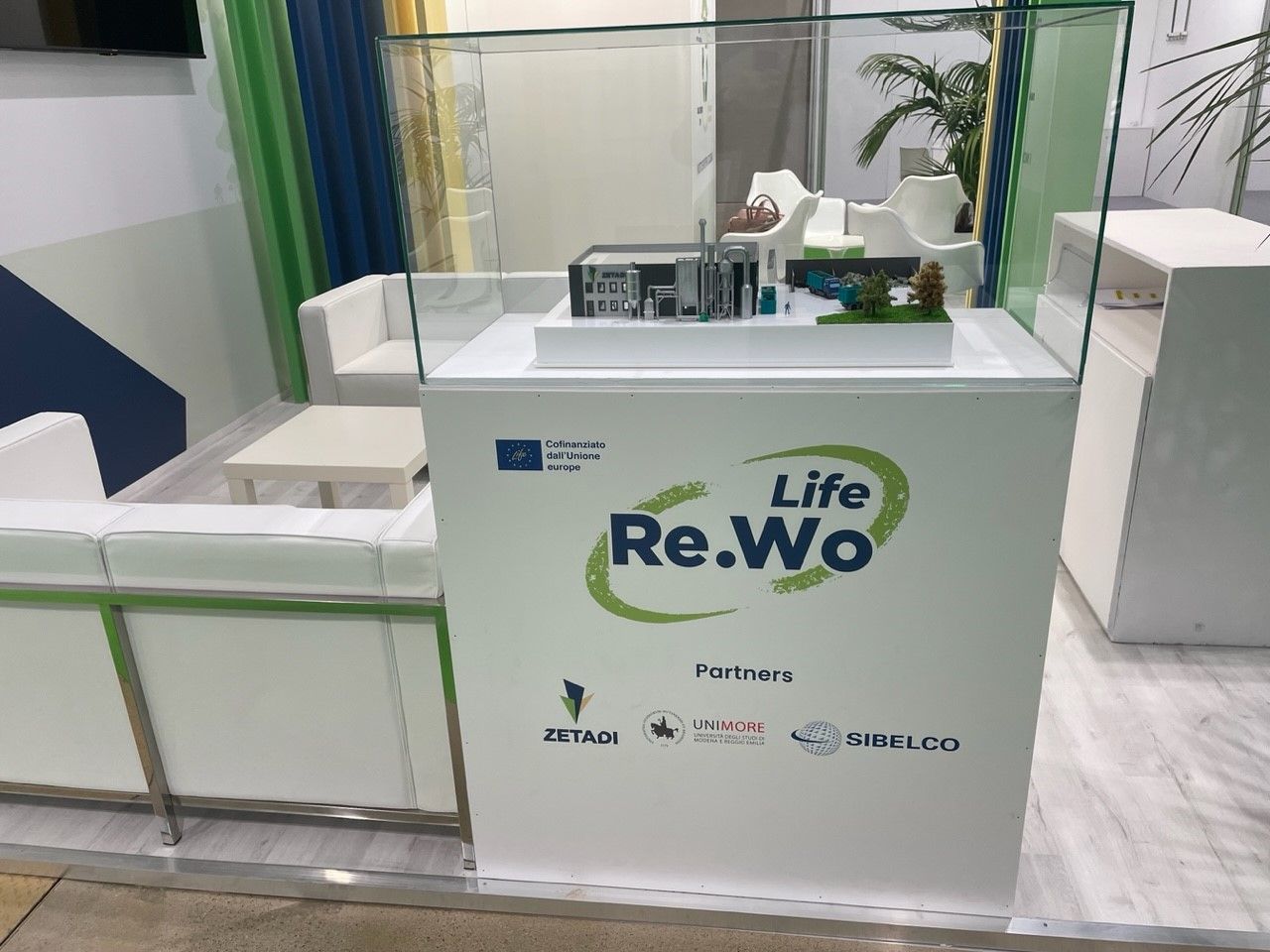
Zetadi has built Europe’s first plant dedicated to recycling mineral wool waste, using an innovative End-of-Waste (EoW) certification process.
This process turns waste into secondary glass raw material that can be reused in various production cycles, thereby contributing to the circular economy and environmental sustainability.
This process turns waste into secondary glass raw material that can be reused in various production cycles, thereby contributing to the circular economy and environmental sustainability.
Nature's Symphony
Breathtaking colors of our planet